
A unit packed wall to wall may look efficient until the one needed carton is sitting at the back. Anyone considering Storage facilities for what to check during an on-site visit should start by mapping the real load, the likely visit pattern, and the practical limits of the site before comparing prices.
Build the unit around retrieval
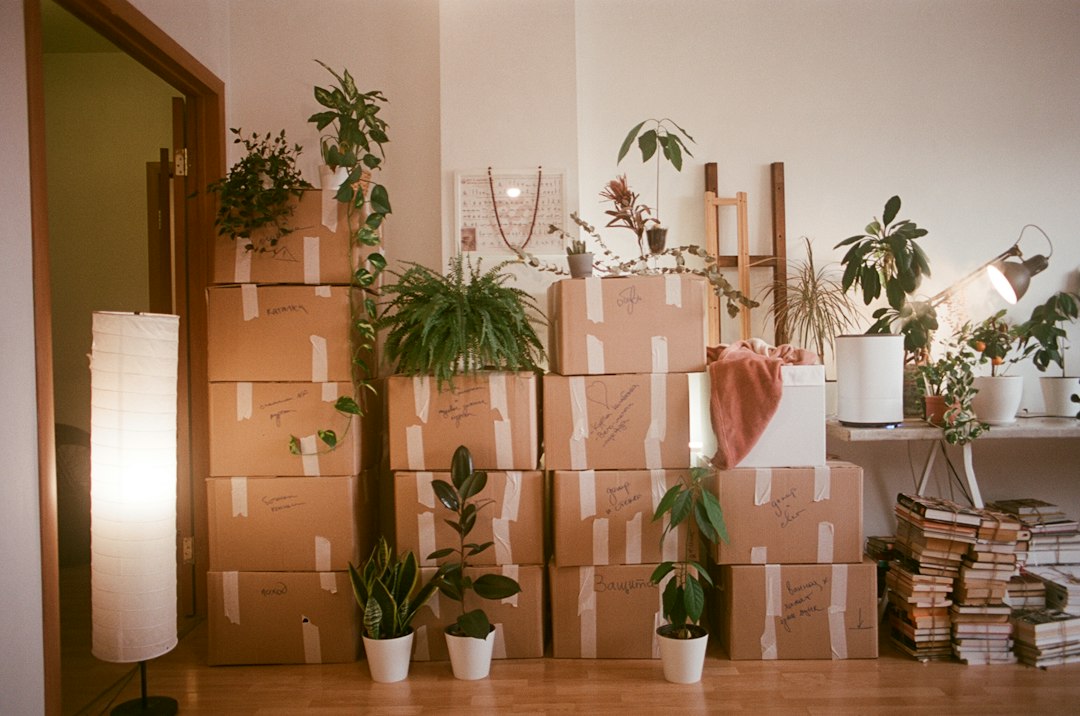
Label more than one side of every carton because the top may disappear beneath another box. Use a simple room and contents code, then match it to the inventory. Avoid advertising valuable contents on visible labels. A number such as K-04 can be more useful than a long description.
For business stock, record quantities as goods enter and leave. Arrange faster-moving items near the access route and give each shelf or zone a code. A simple system used consistently beats an elaborate spreadsheet that nobody updates after the first busy week. This matters particularly for what to check during an on-site visit, where a small planning detail can change the loading or retrieval routine.
Protect the awkward items
Loading order should follow the unit plan. Put the items needed last into the vehicle first, then reverse the process at the unit. Protect corners, do not drag furniture, and use suitable help for bulky pieces. A rushed lift can injure a person and damage several belongings at once.
Ask how access works on ordinary days and during busy periods. Check opening arrangements, identity checks, lifts, trolleys, loading bays, parking limits, and any notice needed for large vehicles. A convenient unit on paper can be frustrating if every visit involves a long carry from the street.
Plan for the next visit
Plan a central aisle before the first item crosses the unit door. Frequently used belongings should remain close to the front, while stable long-term boxes can sit farther back. Keep heavy pieces low and do not lean tall objects where they can shift into the walkway.
Ask which items are restricted before packing the vehicle. Rules commonly address hazardous, illegal, perishable, living, or poorly contained material, though each facility sets its own terms. When an item is unusual, obtain a clear answer rather than hoping it will pass unnoticed beneath a blanket.
Compare the complete routine, not just the room dimensions. Travel time, vehicle access, lift size, corridor turns, operating hours, and frequency of visits all affect a practical choice. A slightly different location may save effort every time something is collected.