
Compare boxes and apps by actually walking the property after sunset and observe where lighting could be beneficial. When you have permanent roofline lighting, try recording what that light is supposed to do for a given exterior lighting project. Think about placement, light output, mounting specifics, weather resistance, control locations, serviceability and just what the illuminated space is used for each day. That brief list saves the attractive demo from becoming the sole catalyst of a costly, difficult to change buy.
Make each section earn its place
Drawout the facade in segments and note the mount surface for each segment. A snapped picture of your phone with the measurements written on it is much easier to decode than sketches on a flimsy receipt. Stick a bit of allowance for routing but don't make up whole segments. Let product limits for run length, power and extensions guide you.
Keep a handful of conservative scenes before finalizing make-a-Scene effects. A straightforward configured-up night time preset is a lot more likely to get used than a complex animation that takes ten minutes to locate in an app. Pod photographs at sunset and total darkness. The exact same environment can be perceived very in a different way as ambient light-weight vanishes.
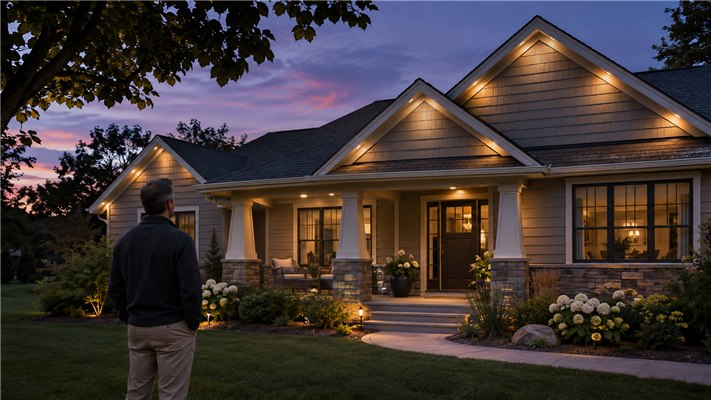
Compare the entire system, not only the bulbs.
Address issues related to roof access and electrical work as two different safety questions. The product may be easy to operate, but not easy to install safely on a high, steep or delicate surface. Also, assess weather resistance of the entire product construction, including power supplies, splices, cable entries and controllers, not just the light module.
Test the controls as you would other house fixtures. How do you save scenes? Do schedules apply? Do they need constant attention? What happens after a power loss? How does another person or housekeeper get in? An overly complicated or unintuitive application makes a simple evening change add up to a tech support issue.
Test the finished layout under real conditions
Test each brightness and color zone before final clips or covers are installed. Five minutes on the ground before sealing the uppermost corner of the building can save a time-consuming trip back to troubleshoot. Enquire about how the sections are replaced and if matching parts should be in stock for future repairs. Serviceability needs are greater than they were after a failed section in showroom.
Lastly, evaluate your plan from the sidewalk or at the property line. Watch for glare, dark gaps, reflections on windows, and spill light in places that it isn't needed. Tweak your brightness levels, before adding fixtures. Proper lighting can be a hero, making a building look legible and inviting without screaming at you.