
Season changes put familiar parts of a building under new strain. A useful property maintenance checklist focuses on the transitions: cooling demand rising, leaves covering drains, freezing nights arriving, or heavy rain exposing a weak joint. Choose dates that give staff time to arrange service before equipment is urgently needed. A short review every season is easier to keep current than a long annual list.
Before hot weather
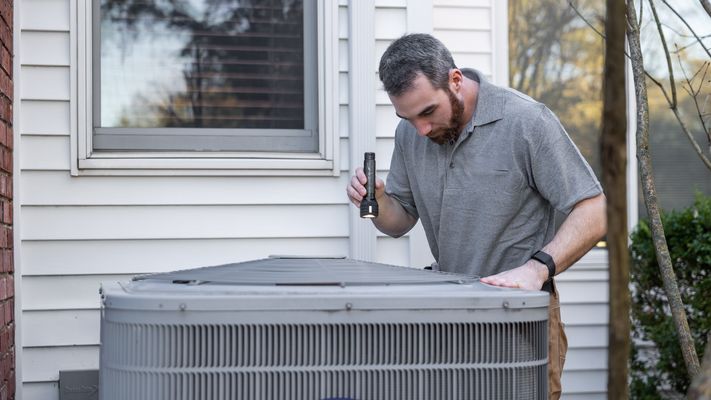
Inspect cooling equipment, filters, condensate lines, exterior units, and the clear space around them. Listen for new vibration and note inconsistent temperatures between rooms. Check that vents are not blocked by furniture or stored items. A technician can assess equipment that shows a warning light, leaking, or uneven performance; simple visual checks should not replace qualified service where repair work is involved.
Walk the exterior too. Look for loose sealant around doors and windows, clogged roof drains, and shaded areas where water stays. Review irrigation timers if the property uses them, and make sure runoff moves away from entrances rather than across walkways.
Before cold or wet weather
Clear leaves from drains and gutters where accessible and safe to do so. Check door sweeps, exposed pipes, exterior lighting, and locations that tend to collect standing water. Confirm that staff know how to report a leak after hours. If the building has a winterization or storm procedure, make sure the contact list still works and supplies are where the plan says they are.
Shared spaces need their own pass. Inspect stairwells, handrails, laundry or utility rooms, entry mats, and storage rooms. A blocked exit or damaged step is urgent; a scuffed wall can usually wait. Separating urgent safety issues from cosmetic work helps the team assign time sensibly.
Record what changed
Keep a dated list of observations, photos, work orders, and service visits. Record repeated faults even when each repair seems small. That history helps managers decide whether a component needs a closer review or whether a seasonal task can be adjusted. Assign one person to close out each open item and give occupants a simple way to flag new concerns.