
Every commercial property has its own access quirks, operating hours, and handover habits, all of which shape a service visit. For a property team considering fire alarm repairs Taupo, that preparation creates a more useful conversation about alarm-system work in Taupo and keeps decisions tied to the actual site.
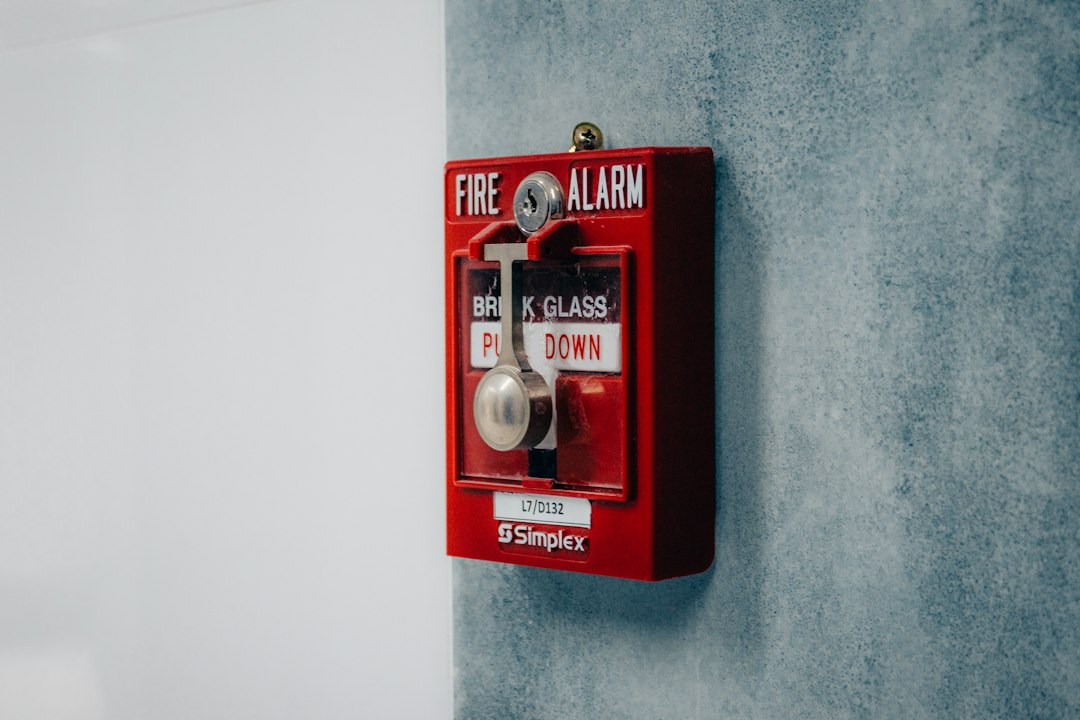
Prepare the site before the visit
Begin with the alarm log, recent fault history, zone information, and details of any building changes. A technician can interpret the system, but accurate observations about timing and affected areas provide a stronger starting point than a message saying the panel made a noise sometime last week.
Record the exact wording, time, zone, and circumstances of recurring faults before resetting anything that is safe and authorised to reset. Photos can help if they do not expose sensitive information. A pattern tied to weather, occupancy, or another system may give the technician useful diagnostic context.
What to record and discuss
Compare proposals by scope, reporting, exclusions, response arrangements, and the experience needed for the installed system. A low figure that leaves interfaces, access equipment, or documentation undefined is difficult to compare with a complete service plan.
Preventive maintenance is more useful when recurring faults are analysed rather than repeatedly cleared. Ask whether the cause was confirmed, what was tested after work, and how a recurrence should be reported. Brief, precise notes build a valuable system history over time.
Close the loop after service
Arrange access to detectors, call points, control equipment, risers, ceiling spaces, and locked rooms that fall within the agreed scope. High or restricted areas may need special planning. A last-minute ladder is not a substitute for an access method discussed and prepared in advance.
Changes to partitions, ceiling layouts, room use, ventilation, or tenant fit-outs may affect the assumptions behind existing equipment. Give the service provider updated plans or a clear description. Do not move or cover devices to suit a renovation without appropriate technical review.
Keep contact details for faults available to staff who may be present outside normal office hours. They should know what observations to record and which safety or emergency procedures take priority. Technical troubleshooting beyond authorised steps should be left to competent personnel.